

Train Driver Fatality Compensation
Train accidents can be catastrophic. If you or someone you love was injured in a train crash, you may be entitled compensation.
An attorney with experience in train accidents can help you to navigate the complex legal issues and also work with insurance companies to get fair settlements. They can also advocate for justice in the courtroom.
Passengers
Although train passengers are typically protected by the train's body in the event of a collision or derailment, serious injuries can still happen. This can result in back or neck injuries broken bones, neck or back injury and head trauma. A few of these incidents are due to weather, such as severe rainstorms or dense fog that make it difficult to see and reduce braking abilities. Other causes include objects on the tracks, including vehicles, trees trash, or the electrified track, which is also known as the thirdrail. In certain instances, these injuries can be the result of carelessness by train workers.
Train accidents, though less common than car crashes can be fatal with wide-ranging consequences. It is crucial that those responsible for these accidents are accountable. The injuries suffered by victims can have a life-changing impact and be expensive. A legal action against the responsible party can assist victims of accidents to receive the right amount of compensation for their injuries.
Despite a decline in usage trains continue to carry many passengers who are not on business. Collisions between trains and cars at railway crossings, pedestrians trespassing on the tracks, and other train accidents can be disastrous for passenger safety. Drivers can ignore traffic signals or try to get around a barrier at an unprotected crosswalk. Drivers can be fatigued or distracted when operating their vehicles. Failure of equipment is another common reason for these accidents.
Hospital-based trauma registry data from a middle and low-income country were used to assess the burden, injury patterns and the management in hospitals of train-related injuries. The results show that train-related injuries pose a significant burden on the healthcare system. These injuries are associated with the high cost of healthcare, especially for long-term requirements.
There are laws in place to protect those injured in train accidents and ensure they get an adequate amount of compensation for their injuries. It is important that you seek out an attorney as soon as you have been injured in train accidents. An experienced lawyer can help you navigate complicated legal rules and determine who is responsible for your accident.
Conductors
Train conductors face a greater risk of accidents because they operate dangerous and heavy machinery every day. Under the Federal Railroad Administration (FRA) they are required to undergo specialized training and pass strict background checks before they are able to be hired. However, despite these measures, train accidents still happen. Train accidents are often caused by human error, mechanical failure or malfunctioning signals.
Conductors also work in harsh conditions of weather, ranging from cold frostbite while inspecting trains and walking tracks in winter to exhaustion from heat while switching rail cars during summer. On the job they could be exposed to asbestos and other substances such as silica, diesel exhaust and secondhand tobacco smoke.
They are also frequently not acknowledged as victims of fatal car accidents at railway crossings or on highways. This puts them at a higher risk of developing Post Traumatic Stress Disorder.
Train accidents are usually caused by human error, mechanical malfunction or inadequate maintenance. The FRA sets standards for these types of activities, however it is often difficult to keep up with routine inspections and repairs. The most common causes for train accidents are:
Contributory negligence could apply to victims of train accidents who suffer injuries that are not their at fault. The amount of compensation can be reduced under this rule if the plaintiff is found to be accountable for their own injuries through engaging in reckless behavior or negligence. This is the case if people disregard safety warnings, drive around lowered crossing gates, or trespass on the railroad tracks.
Bystanders
A train accident is a terrifying event that can cause serious injuries to drivers, passengers and other bystanders. Injuries that can be sustained by bystanders include head trauma and leg injuries, neck and back injuries, and abdominal trauma. Some bystanders are also susceptible to long-term psychological effects. It's vital for all companies to ensure the safety of their employees and those around them, particularly when they work with hazardous machinery. The company should ensure that all equipment is properly maintained and instruct employees in first aid.
Many people are killed when a train crashes into their vehicle. The brakes of the vehicle are often to blame, however there could be other causes. Trains can strike an automobile from behind, and the force can be so strong that, even if the car survives the collision, the passengers will be seriously injured.
Depending on the circumstances of the accident, the victims could be entitled to compensation for their injuries. However, determining fault may be complex. If a driver violates safety protocols, and drives through a lower crossing arm, or crosses tracks as the warning signal goes off the signal, they could be found negligent. In certain cases, the fault is shared by a variety of parties and contributory negligence laws could apply to these situations.
A number of studies have examined the experiences of those who witness an accident. In one study, the reactions of bystanders to a situation were examined through systematic thematic coding. The results showed that cognitive, physical and emotional factors are all involved in bystander responses. train accident law firm showed that the perception of a bystander about the severity of the injury influences their decision to help.
It is also noted that previous experiences of people around them and their point of view influence their anxiety and fear. This is especially the case when they encounter an emergency situation that isn't familiar to them. This study suggests that fears and anxieties can be quelled through a sensible and effective education.
Injuries
Train accidents can result in serious injuries and even death. Victims can suffer permanent physical and emotional injuries which could have a profound impact on the entirety of their lives. They might require regular medical attention and costly medications. Financial problems can also arise because of unemployment. In certain situations they might have to depend on public assistance to pay for their living expenses.
Train accident victims often have rights to compensation for their injuries. This could include economic damages to cover medical expenses and lost income as well as non-economic damages, such as suffering and pain. In certain cases, the amount of compensation awarded to a victim could be more than $1 million.
As with any type of personal injury case it is crucial to document the accident in full detail, which can be vital evidence for an effective legal case. Photograph and film the site of the accident. It is also beneficial to collect the names and contact numbers of witnesses who were present at the accident. A train accident lawyer can assist in this regard as and also file a claim within the timeframes required by law.
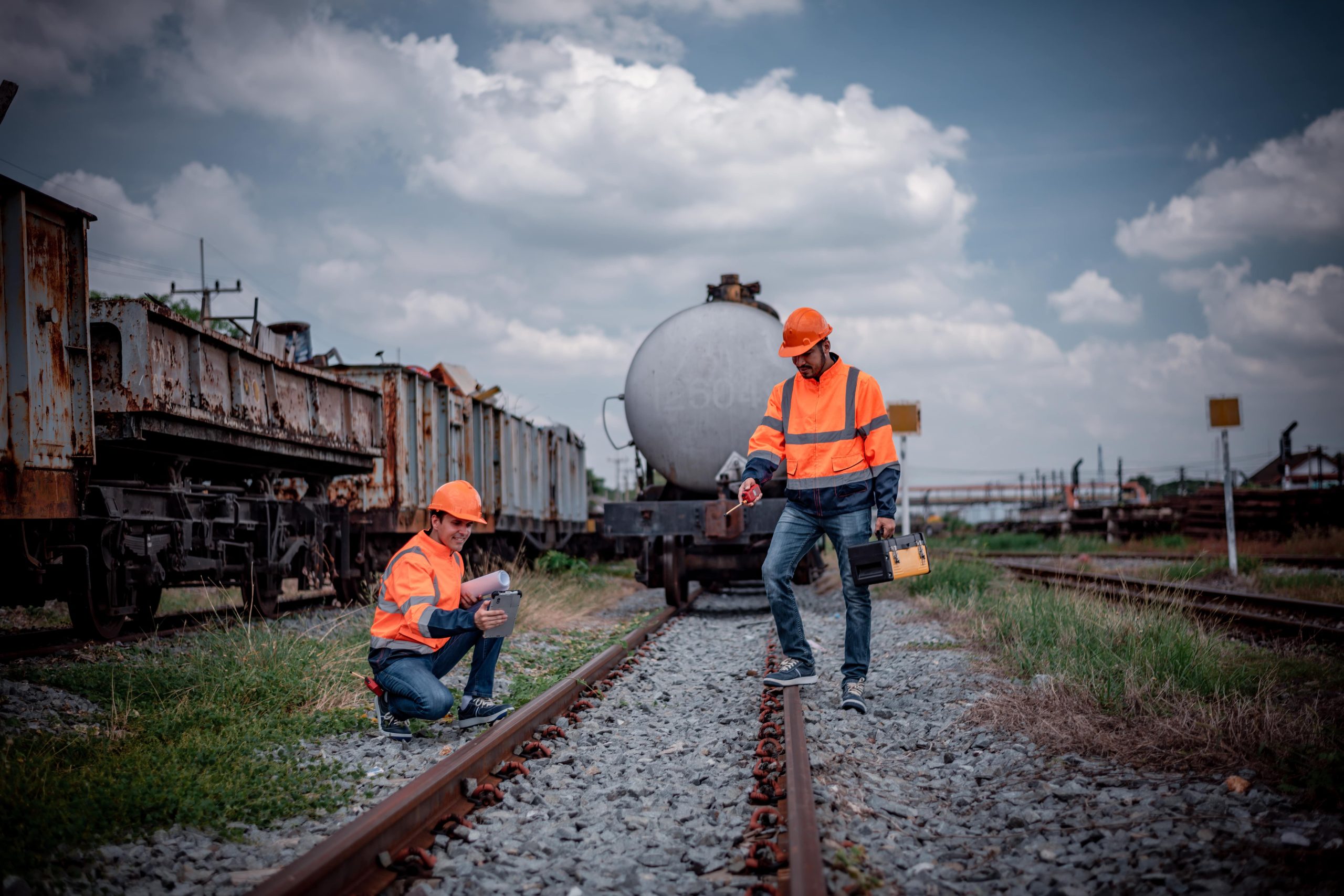
Train accidents can result in injuries to crew members and passengers. It is important that anyone who is injured in the accident file an injury claim as soon as possible. It is also essential that a reputable personal injury attorney is hired to represent injured victims. A lawyer can evaluate a claim to determine who is at fault for the accident and the proper amount of compensation.
Many train accidents are caused by reckless and negligent conduct of pedestrians, drivers, or even train operators. This includes not paying attention to or disregarding warning signals at railway crossings.
Weather conditions such as snowstorms, fog, or rainstorms can also lead to accidents. These conditions make it difficult to stop or observe a train. This can also be due to objects or obstructions on rails such as fallen trees or trash.